HOME VALUE · 12 MIN READ
How home renovations affect your property value
What buyers, agents and valuers actually reward with a higher price, and what usually just breaks even.

Do renovations increase property value?
Sometimes, and rarely by as much as they cost. A renovation lifts value when it improves buyer appeal in a way the local market already expects, not simply because money was spent on it. Kitchens, bathrooms, fresh paint and well-executed extensions tend to perform best. Luxury upgrades, pools and highly personalised finishes often don’t return their cost.
| Quick facts | |
|---|---|
| Read time | 11 to 12 minutes |
| Best for | Homeowners who have renovated, or are weighing up a renovation before selling |
| Difficulty | Beginner, no valuation background assumed |
| Reviewed by | Ben Williams, licensed agent in five states, 2,000+ auctions |
| Applies to | All Australian states and territories |
| Last updated | 9 September 2026 |
Key takeaways
- Renovations don’t automatically increase a property’s value.
- Buyers generally pay more for homes that are modern, functional and move-in ready.
- What you spend renovating isn’t always reflected in the increase in value.
- Cosmetic improvements can sometimes deliver better returns than expensive structural projects.
- Valuations weigh renovations alongside location, land size, condition and comparable sales.
“We’ve spent $80,000 on the house. Has that added $80,000 to what it’s worth?” I get some version of this question constantly. A vendor renovates, then wants the receipt to translate into a number on the contract of sale. It rarely works that cleanly. Renovations that add value to a home do so by changing how buyers see the property, not by handing back a dollar-for-dollar refund on the invoice.
This guide walks through which renovations tend to move the needle on price, which ones plateau, and how a valuer actually reads a renovated home when they’re doing the sums.
At a Glance: Typical Impact by Renovation
Before the detail, here’s how the common renovations generally compare on typical value impact. Treat it as a general guide, not a guarantee. Where your own renovation lands depends on your suburb, the quality of the finish, and what buyers there are already used to seeing.
*Only when council-approved, well designed and proportionate to the block. **Depends heavily on the local market and how much buyers there focus on running costs. Full detail on each is below.
Do Renovations Increase Property Value?
Sometimes. Not automatically, and not proportionally to spend.
A renovation increases value when it makes a home more appealing to more buyers, in a way the local market already expects and rewards. A new kitchen in a family suburb where every comparable sale has an updated kitchen isn’t optional extra value, it’s the price of entry. Skip it and buyers discount you for it. Do it well and you match the market rather than beat it.
Do renovations increase property value in every case? No. A renovation that’s out of step with the suburb, poorly executed, or aimed at your taste rather than the buyer pool’s, can sit on the property without shifting the number a valuer or a buyer arrives at. Property value after renovation is a function of buyer demand, not construction cost.
How Property Value Is Actually Determined
Renovations are one input among many. A valuer or an experienced agent weighs:
- Location: the single biggest lever on price, and one no renovation touches
- Land size and zoning: sets the ceiling and the floor
- Dwelling size and layout: bedrooms, bathrooms, car spaces, functionality
- Condition and presentation: how the home shows on the day
- Comparable sales: what similar homes, renovated and unrenovated, have actually sold for nearby
- Renovation quality and age: a five-year-old kitchen reads differently to a brand-new one
- Market conditions: buyer demand, interest rates, stock levels at the time of sale
| What valuers weigh | Importance |
|---|---|
| Location | Very high |
| Land size | Very high |
| Comparable sales | Very high |
| Renovation quality | High |
| Overall condition | High |
| Layout and functionality | High |
| Market conditions | High |
| Presentation | Moderate to high |
Every one of those factors interacts with the others. A stunning kitchen in a suburb with weak underlying demand won’t do what the same kitchen does in a tightly held, high-demand pocket.
See what your renovation actually did to your number
Unreserved’s AI valuation reads comparable sales, suburb trends and your property’s attributes, including renovation details, and returns a full report in minutes.
Get my free property valuationRenovations That Typically Have the Greatest Impact
Buyer appeal and value impact don’t always move together, and timing matters as much as the renovation itself. Here’s how the common projects tend to play out.
Kitchen Renovations

Buyers judge a home partly on its kitchen before they’ve judged anything else. A modern, functional kitchen that suits the home’s price point removes a major objection and lifts perceived value across the whole property. Biggest impact when the existing kitchen was clearly dated and the new one matches, not exceeds, the suburb’s standard. Little impact when it was already renovated by a previous owner, or finished well above what the street supports.
Buyer appeal: Very high · Typical value impact: High
Bathroom Renovations

Tired bathrooms generate buyer objections fast. Mould, dated tiling, poor ventilation. Updating them removes those objections and improves presentation in photos and in person. Impact peaks when there’s more than one bathroom to update, since a single fresh bathroom next to a dated one draws attention to the contrast. Little impact where a bathroom was already renovated within the last decade and still presents well.
Buyer appeal: Very high · Typical value impact: High
Fresh Interior Paint

One of the cheapest renovations that increases home value on a cost-per-impact basis. Buyers read fresh, neutral paint as “well maintained” and dated or bold colour as “needs work,” even when the underlying home hasn’t changed. Biggest impact on homes unpainted for five-plus years or carrying strong personal colour choices. Least impact where walls are already neutral and in good condition.
Buyer appeal: Very high · Typical value impact: Moderate to high
Landscaping and Street Appeal
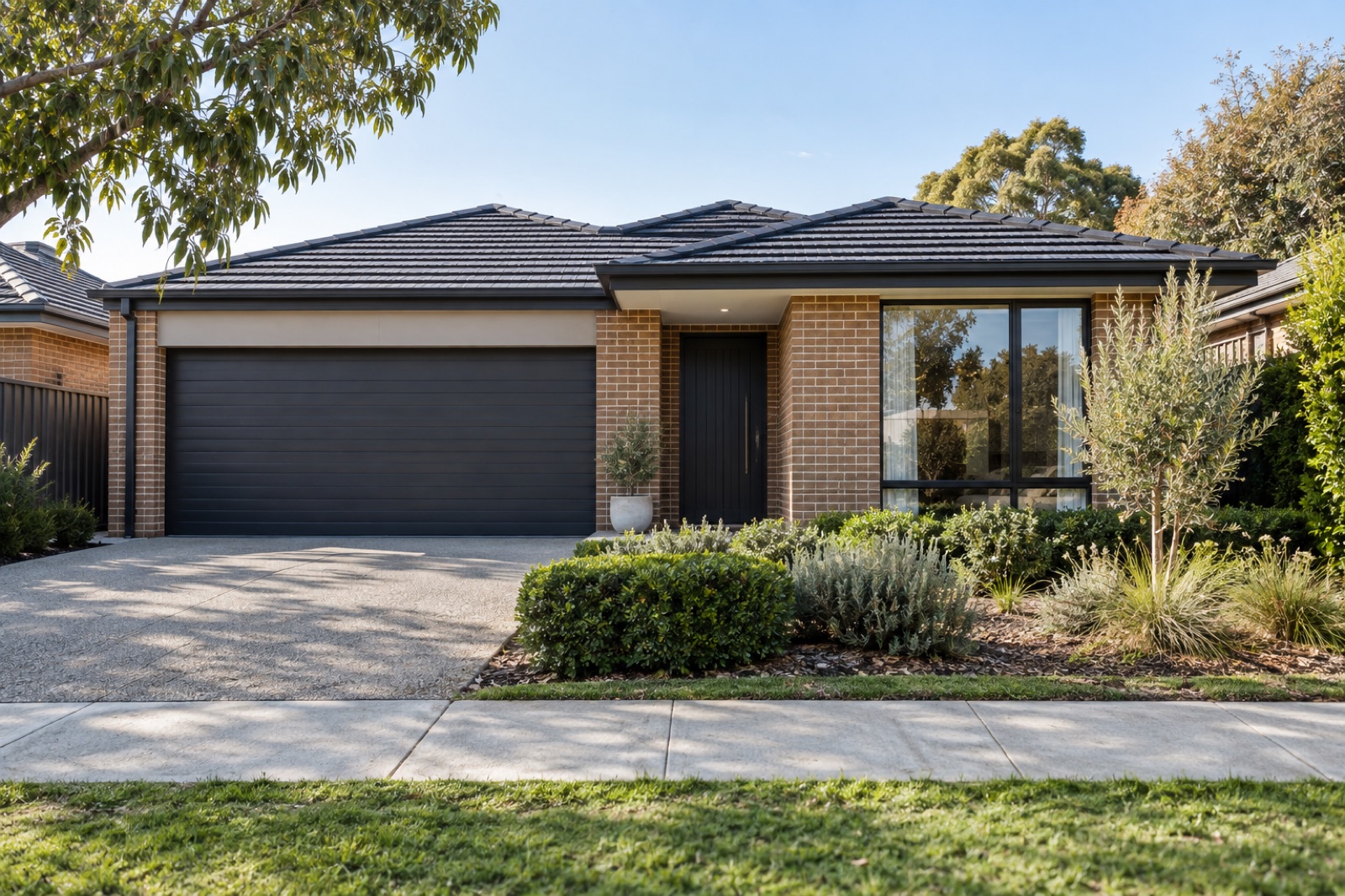
Buyers form an opinion from the street before they’ve walked through the front door, and that opinion colours everything they see inside. Tidy gardens, a clean facade and a well-presented entry lift buyer interest at minimal cost. Biggest impact on homes with an overgrown or neglected front yard. Little impact where the street presentation was already tidy.
Buyer appeal: High · Typical value impact: Moderate
Outdoor Living Areas
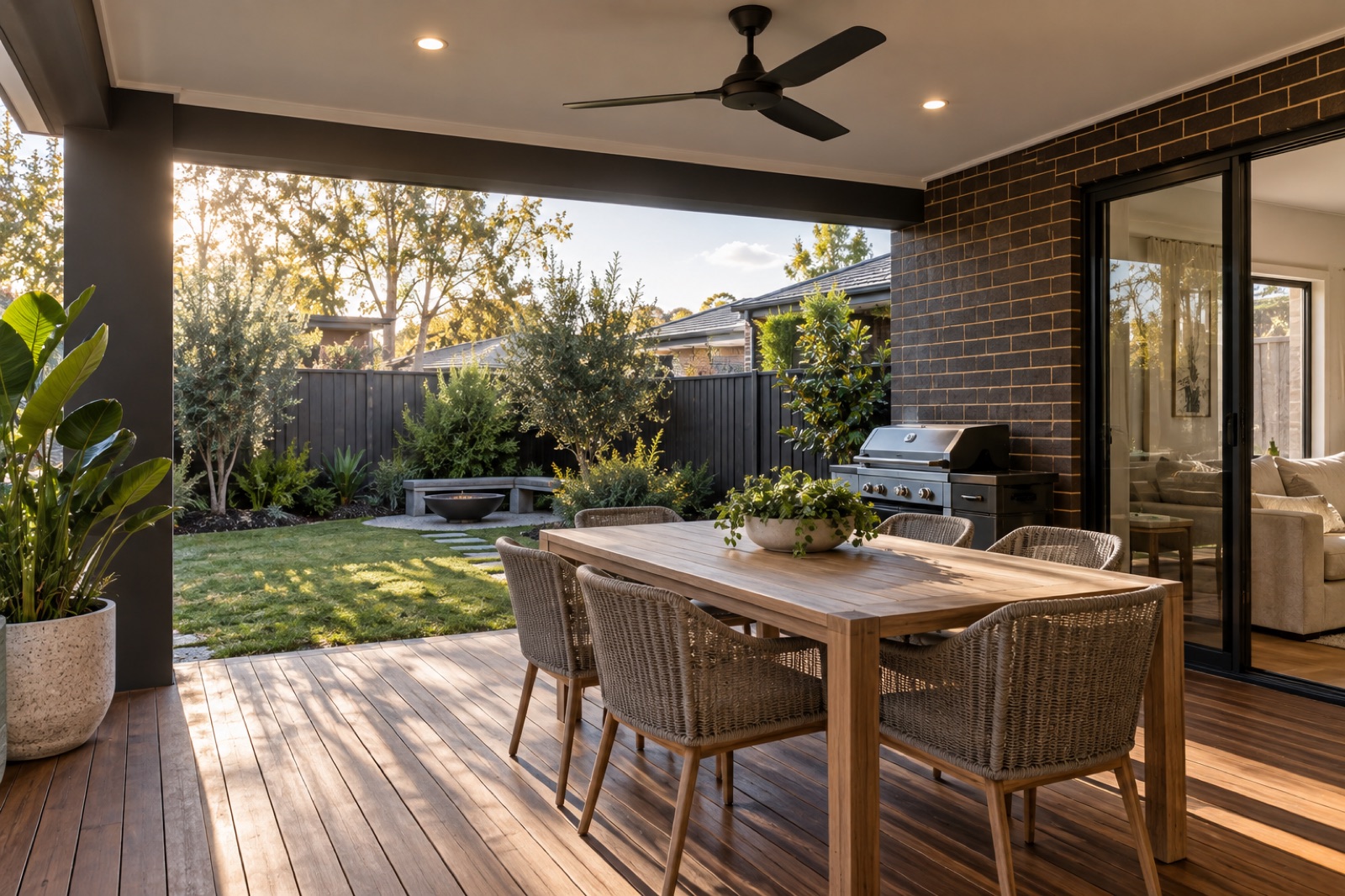
A functional outdoor entertaining area extends the usable footprint of the home and appeals directly to how Australian buyers actually live. A well-built deck, alfresco or covered patio can lift buyer interest, particularly in family and lifestyle markets. Biggest impact where the home previously had no usable outdoor space at all. Little impact if the addition is poorly integrated with the house or the yard is too small to use it comfortably.
Buyer appeal: High · Typical value impact: Moderate
New Flooring

Worn carpet, scratched floorboards and mismatched flooring between rooms are easy for buyers to spot and easy for them to price against you. Replacing it lifts the whole home’s presentation for a relatively contained cost. Biggest impact when flooring is inconsistent or visibly damaged throughout. Little impact if existing floors are in good condition and simply need a clean or polish.
Buyer appeal: High · Typical value impact: Moderate
Energy-Efficient Upgrades

Solar panels, insulation and efficient appliances are increasingly expected rather than seen as bonus features, particularly in markets sensitive to running costs. Whether solar panels are reflected in a property valuation depends heavily on the local market and how motivated buyers are by energy bills. Biggest impact in regions with high electricity costs or a buyer base that actively asks about running costs. Little impact where buyers are focused on other factors, like renovation potential or land value.
Buyer appeal: Moderate · Typical value impact: Moderate, market dependent
Built-in Storage

Wardrobes, linen cupboards and built-in storage solve a practical problem buyers notice immediately, especially those moving from smaller homes. Most impact in older homes originally built with minimal storage. Little impact where the home already has generous storage or the additions are small and easy to overlook.
Buyer appeal: Moderate · Typical value impact: Moderate
Laundry Improvements
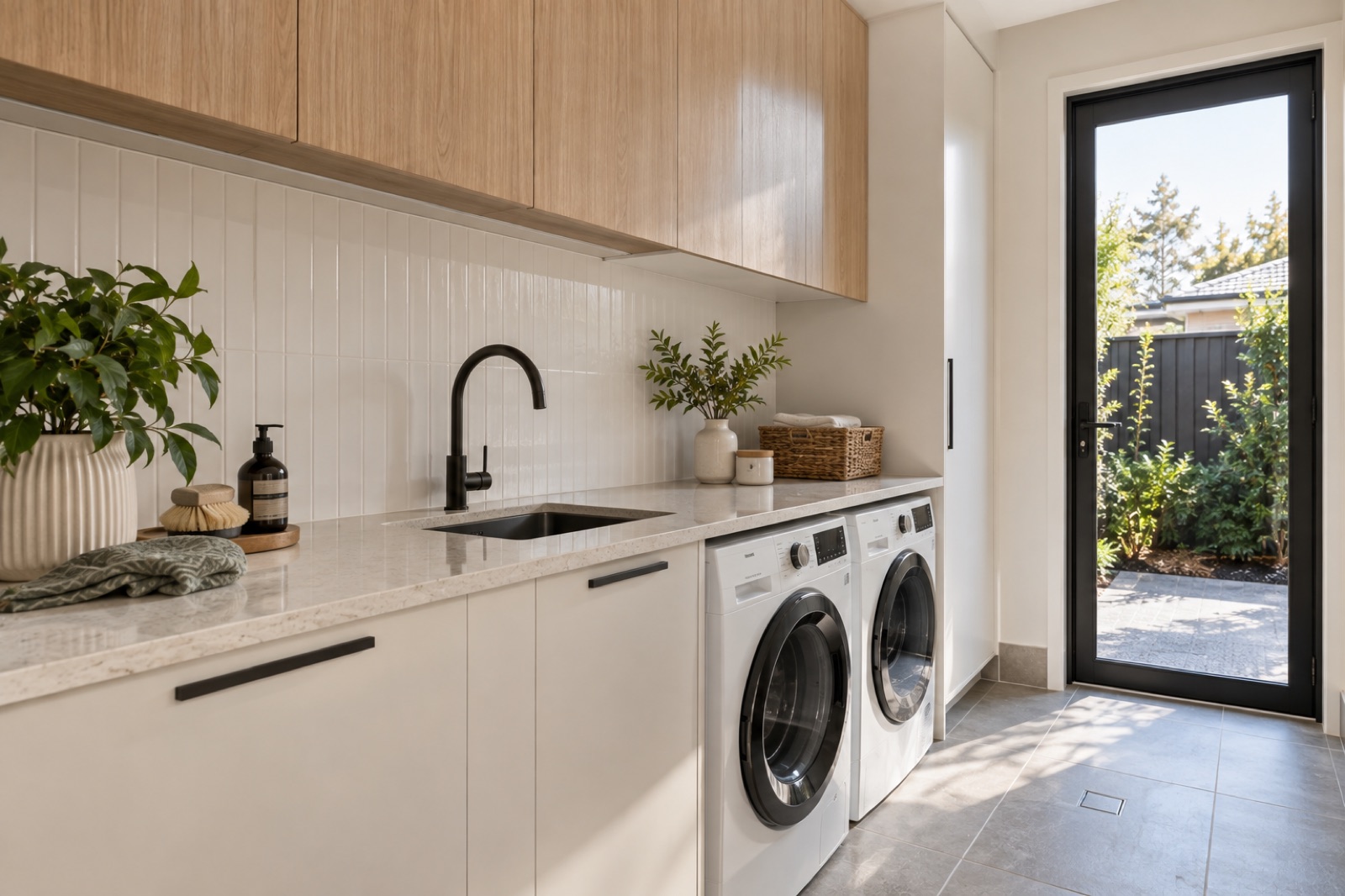
A modern, practical laundry appeals strongly to family buyers who use the space daily. Matters most in homes where the laundry was cramped, poorly ventilated or purely functional with no storage. Little impact in homes without a dedicated laundry room, where buyer expectations are already lower.
Buyer appeal: Moderate · Typical value impact: Moderate
Extensions and Additional Bedrooms
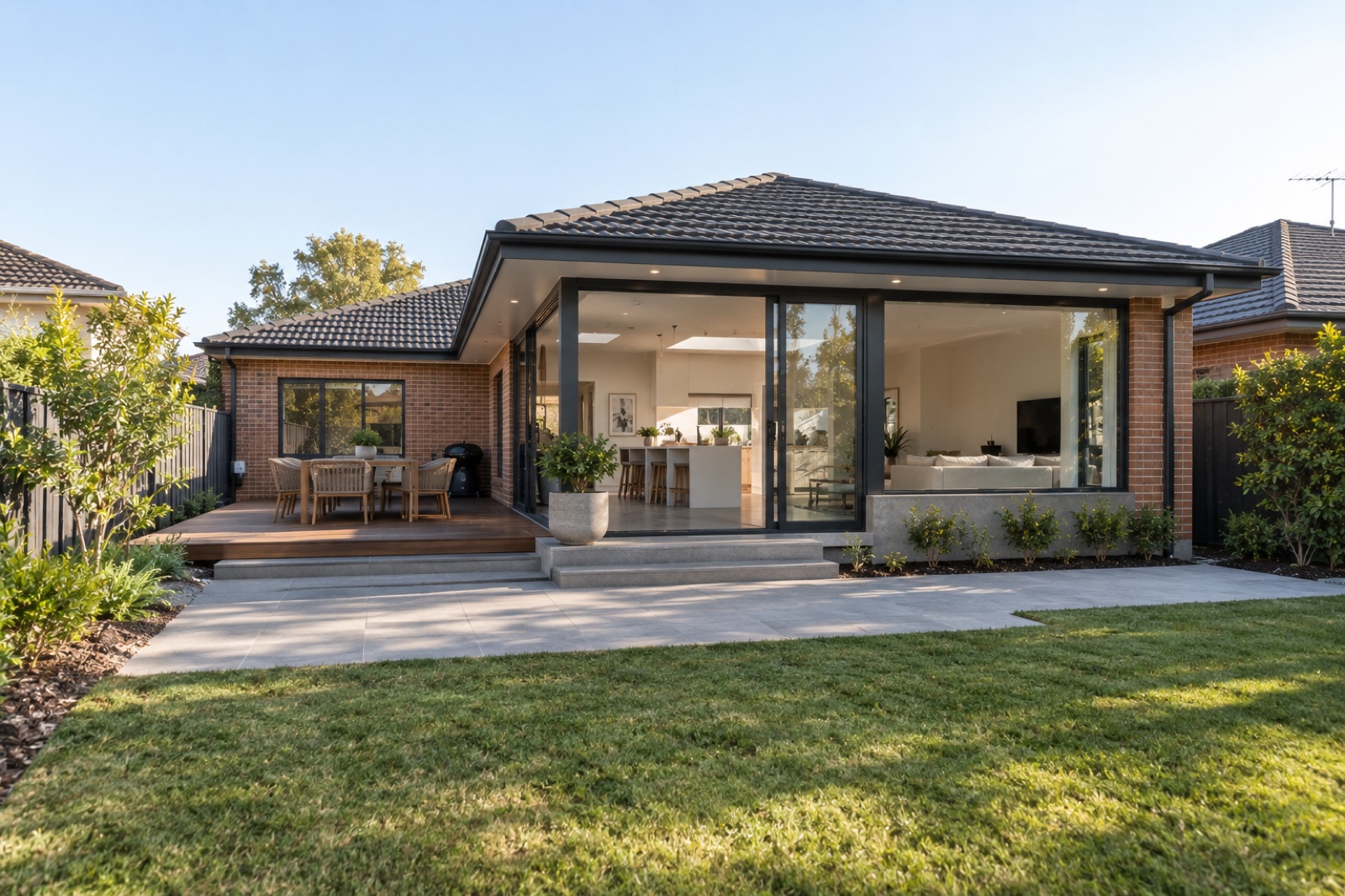
Additional usable living space, particularly an extra bedroom, can meaningfully shift which buyer pool your home competes in. A three-bedroom home extended to four bedrooms competes against a different set of buyers and comparable sales entirely. Biggest impact when the extension is council-approved, well designed and proportionate to the block. Little impact, or can actively hurt value, when it’s unapproved, poorly integrated with the existing floor plan, or pushes the home beyond what the street and land size can support.
Buyer appeal: Very high · Typical value impact: High, when well executed
| Renovation | Buyer appeal | Typical impact on value |
|---|---|---|
| Kitchen | Very high | High |
| Bathroom | Very high | High |
| Fresh paint | Very high | Moderate to high |
| Landscaping | High | Moderate |
| Outdoor living | High | Moderate |
| Flooring | High | Moderate |
| Storage | Moderate | Moderate |
| Solar | Moderate | Moderate, market dependent |
| Extension | Very high | High, if well executed |
| Pool | Low | Varies significantly |
| Luxury features | Low | Low to moderate |
Renovations That Don’t Always Increase Value
Not every improvement pays for itself. Luxury kitchens finished well above the suburb standard, swimming pools, wine cellars, home theatres and highly personalised finishes are the projects vendors most often overcapitalise on.
| Renovation | Why it can underperform |
|---|---|
| Luxury kitchen upgrade | Cost outpaces what comparable sales in the suburb support |
| Swimming pool | Adds ongoing maintenance cost; appeals to a narrower buyer pool, particularly families with young children or smaller blocks |
| Wine cellar | Niche appeal, rarely recovered in resale price |
| Home theatre | Buyers often see it as a room to undo rather than a feature to pay for |
| Highly personalised finishes | What one owner loves, the next has to renovate again |
None of these are bad renovations to live in. They’re just not reliable renovations to sell on, unless the whole street is already operating at that level.
Why Buyers Don’t Always Pay for Every Dollar You Spend
Four things get in the way of a dollar-for-dollar return:
- Depreciation. A renovation ages. What was cutting-edge five years ago is simply “nice” today, and buyers price it accordingly.
- Buyer expectations. If every comparable home already has a renovated bathroom, yours doesn’t stand out for having one. It just avoids standing out for the wrong reason.
- Overcapitalising. Spending beyond what the suburb supports doesn’t create a new price ceiling. You absorb the difference.
- Neighbourhood price ceilings. Buyers compare your home to others in the area. A $500,000 street rarely produces an $800,000 sale, no matter the renovation.
Every step in that chain depends on the one before it. Skip the presentation step with a poorly finished renovation, and the chain breaks before it reaches value. This is the gap between what a renovation cost and what property value after renovation actually looks like. The market sets the ceiling. Your renovation decides how close you get to it.
How Property Valuers Assess Renovations
Valuers don’t add your renovation invoice to the home’s previous value and call it done. They assess:
- The quality and workmanship of the work
- The age of the renovation and how it’s held up
- How the finished result presents against buyer expectations for the area
- Recent comparable sales of similarly renovated homes nearby
Ben’s insightThe point most homeowners underestimate is the last one. A valuer isn’t asking what your renovation cost to build. They’re asking what buyers have actually paid for homes like this recently. If no comparable renovated home nearby has sold above a certain price, your renovation is unlikely to break that ceiling either, regardless of the spend.
If you want a fast read on where your renovated home sits, Unreserved’s AI valuation tool factors renovation details into its estimate against real, current comparable sales, giving you a number grounded in what’s actually selling rather than what you hope it’s worth.
Renovation value checklist
- Is the renovation modern and well finished?
- Does it suit the style and price point of the home?
- Would buyers expect this feature in the local market?
- Does it improve functionality or presentation, not just appearance?
- Have similar renovated homes recently sold for more?
Conclusion
Renovations are one input into your home’s value, not the whole equation. The kitchen you renovated, the bathroom you updated, the paint you refreshed, all of it feeds into how buyers perceive the home against everything else on the market. Understanding that perception matters more than tallying up receipts.
Find out what your renovated home is actually worth
Run it through Unreserved’s free AI property valuation. It’s built on real comparable sales, not guesswork, and it takes a few minutes.
Get my free property valuationQuestions people ask
Do renovations always increase property value?
No. They tend to increase buyer appeal and market competitiveness, which can lift value, but the outcome depends on quality, suburb expectations and comparable sales.
Which renovation usually adds the most value?
Kitchens, bathrooms and well-executed extensions tend to have the strongest impact, because they address functionality and presentation at the same time.
Does a new kitchen increase home value?
Generally yes, when it’s modern, functional and matches the home’s price point. A kitchen finished well beyond the suburb standard often won’t return the extra spend.
Does landscaping increase property value?
It can, primarily by improving street appeal and first impressions, which influences how buyers perceive the whole property before they’ve stepped inside.
Are solar panels reflected in a property valuation?
Sometimes, depending on the market. In areas where buyers are focused on running costs, solar can lift appeal. In others, it has minimal impact on the final number.
Can you overcapitalise on renovations?
Yes. Spending beyond what comparable sales in your suburb support doesn’t move your ceiling, it just means you don’t recover the full cost when you sell.
How do valuers assess renovated homes?
They look at the quality, age and presentation of the renovation, then weigh that against recent comparable sales of similarly renovated homes nearby.
Does painting your house increase its value?
Fresh, neutral paint is one of the more cost-effective improvements for lifting buyer perception, particularly where the existing paint is dated or heavily worn.
Is a swimming pool considered valuable?
It varies significantly. Pools appeal to some buyers and deter others, and the ongoing maintenance cost means they don’t reliably add value across the board.
How can I estimate my home’s value after renovating?
Use a tool that factors renovation details into comparable sales analysis, like Unreserved’s AI valuation tool, rather than relying on renovation cost alone.
Want to go further? Read how much equity you have in your home, how to price your property, or preparing your home for sale. If you’re weighing up whether to sell at all, start with should I sell my home? and is now a good time to sell?, or browse our state selling guides.
General information only. This article explains how renovations are generally perceived by buyers, agents and valuers in Australia. It is not a valuation, a guarantee of any price outcome, or financial or investment advice. Actual value depends on your property’s location, condition, comparable sales and prevailing market conditions at the time of sale. Get an independent valuation before making any decision based on a renovation you’ve completed or are considering.
ABOUT THE AUTHOR
Ben Williams
Connect with Ben on LinkedIn →
Ben spent 15+ years as a licensed estate agent and conducted over 2,000 auctions before founding Unreserved. He holds a Bachelor of Applied Science (Property & Valuation) from RMIT and is licensed across VIC, NSW, QLD, SA, and WA.
